Floral Watercolor for Bridal Shower: A Designer's Review
When I first pulled up the Floral Watercolor for Bridal Shower file on my screen, I didn't just see a digital image; I immediately started visualizing the thread path. As someone who spends hours digitizing and stitching for clients, my first instinct is always to look past the pretty preview and ask how this will actually behave under the needle. This design falls under the category of Print Templates, which often implies a graphic origin, but for us embroidery enthusiasts, the real question is whether it translates well into a machine embroidery design suitable for tangible goods.
The Visual Mood and First Impressions
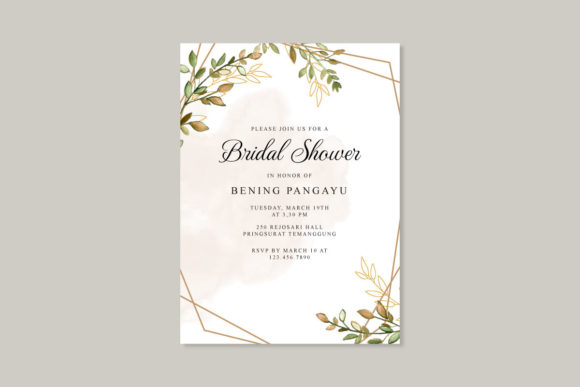
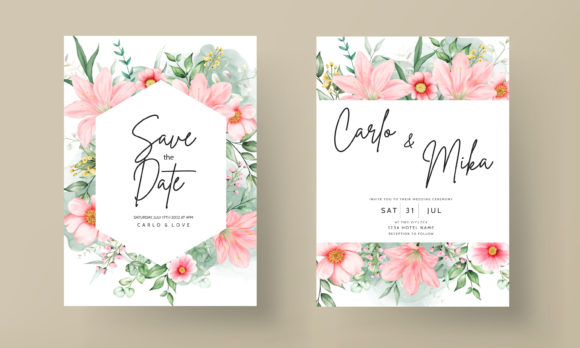
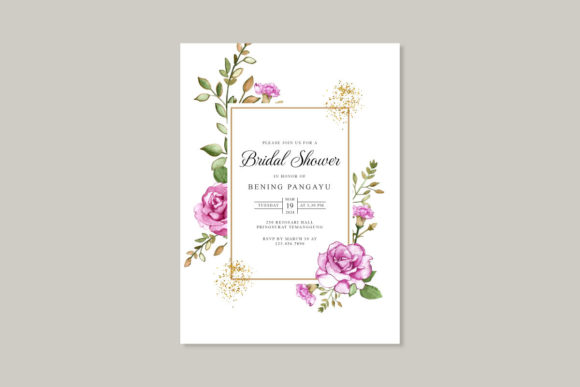
The aesthetic here is undeniably soft and romantic, capturing that ethereal "watercolor" bleed that is so popular in modern wedding trends. The layout feels organic, avoiding rigid symmetry in favor of a flowing, natural arrangement. For a bridal shower context, this is spot-on. It evokes a sense of delicacy and celebration without being overly fussy. However, from a technical standpoint, watercolor effects in embroidery are tricky. They rely heavily on thread colors blending seamlessly to mimic paint strokes. If the digitizing relies too much on complex fill stitch patterns with poor color transitions, the result can look muddy rather than artistic. My initial assessment suggests this design has a strong visual personality that fits perfectly on light-colored, smooth fabrics where the subtle shading can truly shine.
Real-World Application: The Tote Bag Scenario
To give this a proper stress test in my mind, I imagined a specific client request: a set of custom tote bags for a bride-to-be's gift table. This is a classic use case for small shop product owners and Etsy sellers. If I were to stitch Floral Watercolor for Bridal Shower onto a canvas tote, the stability of the fabric would support the design well. The key here is the hoop size. Assuming the design fits within a standard 5x7 or 6x10 hoop, it would make a stunning focal point on the front of the bag.
In this scenario, the design acts as more than just decoration; it elevates the perceived value of the handmade product. Guests are likely to keep these bags, turning them into walking advertisements for the host or the crafter. The softness of the floral motif contrasts beautifully with the rugged texture of canvas, provided the stitch density isn't so high that it causes the fabric to pucker. For a craft business, this kind of application offers high margin potential because the design feels bespoke and high-end.
Versatility Across Different Products
Beyond tote bags, this design has legs in several other areas of custom apparel and home decor. Imagine it centered on the chest of a white linen sweatshirt or a lightweight cardigan. For sweatshirt embroidery, the challenge is always managing the loft of the fabric. If this design includes fine running stitch details or tiny text elements, they might get lost in the fleece. However, if the main floral elements are robust, it could create a lovely, boutique-style look.
It also works well for holiday embroidery or special occasion gifts, such as pillow covers for the bridal party or tea towels for the kitchen. In the realm of baby embroidery, the soft palette makes it suitable for nursery decor, perhaps stitched onto a muslin blanket or a wall hanging. The key is matching the intricacy of the design to the durability required by the end product. A pillow cover that sits on a sofa can handle more detail than a baby bib that goes through daily wash cycles.
Technical Considerations and Fabric Choices
While the design is beautiful, there are situations where you need to proceed with caution. Watercolor styles often depend on low-density fills to create transparency. On stretchy fabric like jersey knits, this can be risky. Without a high-quality cutaway stabilizer, the stitches might shift over time, distorting the delicate flower shapes. Similarly, on dark fabric, the pastel tones typical of watercolor designs might not pop unless the digitizer has included an underlay or specific backing strategies. If you are planning to use this on navy or black garments, I strongly recommend doing a test stitch first to ensure the colors don't look washed out.
Curved surfaces present another hurdle. If you are attempting this on a cap, the curvature can compress the design, making tight corners look crowded. Detailed corners and tiny lettering, if present in the file, are the first things to suffer on a structured hat. For embroidered patch creation, this design would need to be checked for merrow border compatibility. If the edges are too irregular or detailed, creating a clean patch border might require manual editing of the embroidery file.
Enhancing Brand Value and Customer Trust
Using a design like Floral Watercolor for Bridal Shower correctly can significantly boost your brand consistency. When customers see a finished product where the stitching is crisp and the colors are vibrant, it builds trust. It signals that you care about quality control. Conversely, a poorly executed watercolor design with visible jumps or puckering can cheapen the look of even the most expensive garment. For commercial embroidery projects, professionalism is everything. This design has the potential to be a signature element for a boutique branding campaign, provided it is executed with precision.
For those selling digital embroidery file assets or printable mockup services, this design offers great visual appeal for previews. It photographs well, which is crucial for online listings. However, remember that a pretty picture doesn't guarantee a good stitch-out. Always verify the technical specs before listing it as a premium asset.
Practical Notes for the Studio
Before committing to a full production run, here is my checklist for working with this type of design:
- Test on Scrap: Always stitch the design on a scrap piece of the actual fabric you intend to use. This reveals issues with fabric texture and stabilizer interaction.
- Check Contrast: Review the thread chart. Ensure there is enough contrast between adjacent colors to maintain the watercolor effect without them blending into a blur.
- Inspect Density: Look at the stitch count relative to the size. High density on thin fabric leads to puckering; low density on thick fabric looks sparse.
- Verify Hoop Size: Confirm the design fits your available hoops without needing to re-hoop, which can cause alignment issues.
- Mockup Testing: Create black and white mockups to see if the design holds its shape without relying on color cues.
- Licensing Check: Since this is categorized under Print Templates, double-check the license terms. Ensure you have the rights to use it for commercial embroidery and selling finished items, not just for personal crafting.
Ultimately, Floral Watercolor for Bridal Shower is a design with significant potential for creating memorable, high-value items. Whether you are an apparel decorator looking to expand your wedding portfolio or a hobbyist making a special gift, the success lies in the preparation. By respecting the limitations of the medium and choosing the right materials, you can transform this digital concept into a stunning physical reality that delights recipients and strengthens your reputation as a skilled maker.