Watercolor Backgrounds 99: A Designer's Real-World Review
As someone who spends more time staring at stitch maps than most people care to admit, I approach new machine embroidery design files with a mix of excitement and skepticism. We have all downloaded a beautiful graphic only to find it turns into a bird's nest of thread once the needle hits the fabric. Today, I am breaking down Watercolor Backgrounds 99 from the perspective of actual production use. This isn't just about how it looks on a screen; it is about how it performs when you are trying to fulfill an order for a boutique client or stock your Etsy seller shop with reliable inventory.
The First Impression: Mood and Visual Personality
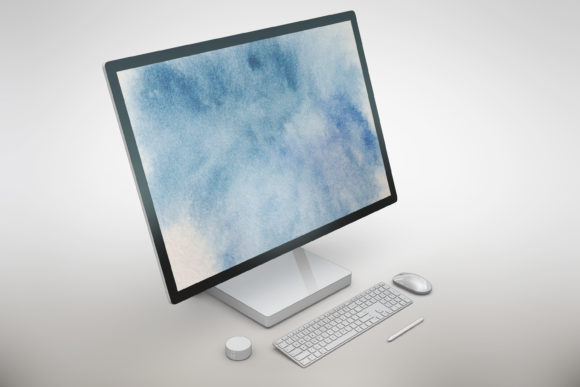
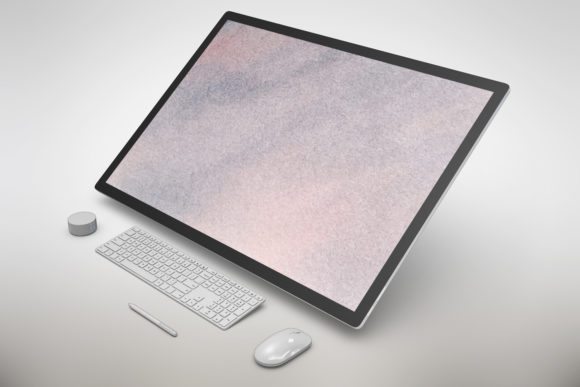
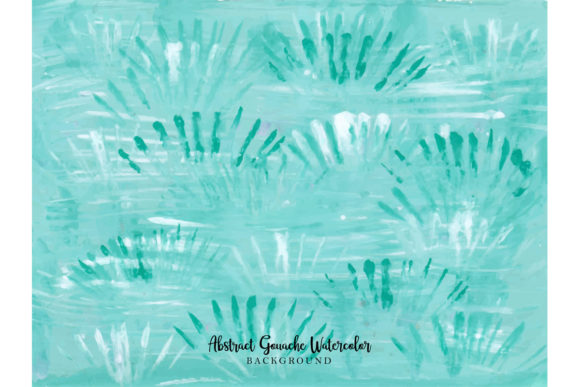
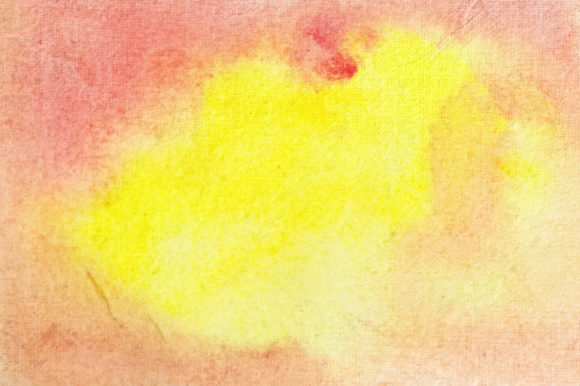
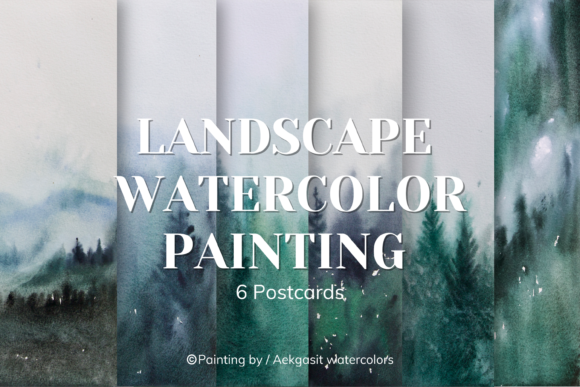
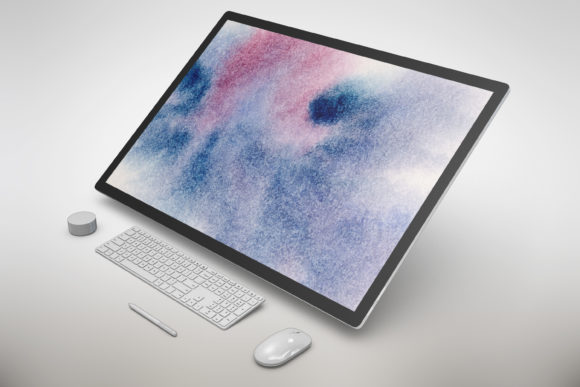
When I first loaded Watercolor Backgrounds 99 into my editing software, the immediate takeaway was its softness. Unlike many digital backgrounds that rely on hard edges and rigid geometric fills, this design captures that elusive, fluid look of actual watercolor paint. The layout feels organic, suggesting a gentle wash of color rather than a heavy block of ink. For a designer, this is crucial because it dictates the fabric texture you can pair it with. It doesn't scream for attention; instead, it whispers, making it an ideal candidate for projects where the background needs to support a monogram or a focal motif without overpowering it.
The visual personality here is distinctly modern yet timeless. It avoids the cluttered look of overly dense fills, which often plague digital embroidery file markets. Instead, it seems to utilize a clever mix of running stitch details and lighter fill stitch areas to create depth. This suggests that the final finished product will have a handcrafted feel, aligning perfectly with the current market demand for items that look handmade rather than mass-produced.
Real-World Application: The Custom Tote Bag Scenario
To truly test the viability of Watercolor Backgrounds 99, I imagined a specific real-life scenario: a custom order for a local bookstore needing branded tote bag design items for an upcoming literary festival. The client wanted something artistic but durable enough for daily use. Here is where the rubber meets the road.
Using this design as a backdrop for a large initial or a small logo could elevate a standard canvas tote into a piece of wearable art. Because the design mimics a watercolor wash, it works exceptionally well on natural cotton or linen blends. If I were stitching this for a small shop product line, I would position it slightly off-center to allow the negative space to breathe. The key advantage here is versatility; this Backgrounds asset fits seamlessly into custom apparel, sweatshirt embroidery, or even home decor like pillow covers. It creates a cohesive brand aesthetic without requiring complex layering techniques that might confuse a beginner or slow down production in a busy craft business.
Performance on Different Materials
One of the biggest challenges with background designs is how they interact with different surfaces. Watercolor Backgrounds 99 appears to have a stitch density that is moderate, which is a double-edged sword depending on your material choice.
- Stable Fabrics: On woven cottons, twills, or denim, this design should shine. The stability of the fabric supports the fill areas, allowing the "paint" effect to remain crisp.
- Stretchy Knits: If you are attempting baby embroidery on a onesie or a stretchy tee, caution is required. Even with a good stabilizer, large filled areas can cause puckering if the fabric stretches during wear. I would recommend testing this on scrap fabric first to see how the stitches hold up after a wash cycle.
- Dark Fabrics: Watercolor effects often rely on transparency. If the thread colors selected are not opaque enough, the design might get lost on black or navy garments. You may need to adjust the underlay or choose brighter thread shades to maintain the intended visual impact.
Technical Considerations for Professional Results
Before committing to a full production run, there are several technical factors to consider. Since exact specifications like hoop size limits or precise stitch counts are not always guaranteed in every download, it is vital to inspect the file properties yourself. Does the design fit within your available hoop? If you are working on a cap or a curved surface, ensure the design dimensions allow for proper framing without hitting the hoop edges.
Another critical aspect is the stitch density. While the watercolor look implies lightness, some digitizers pack too many stitches into these gradients to achieve smooth color transitions. High density can make the fabric stiff, which is undesirable for sweatshirt embroidery or items meant to be soft against the skin, like baby clothes. Always check the stitch map. Look for long jumps or excessive trims that could increase production time and thread waste.
For those creating printable mockup assets or selling design assets digitally, verify the licensing terms immediately. Can you sell the stitched item? Can you sell the digitized file? These distinctions are the difference between a profitable commercial embroidery venture and a legal headache.
Enhancing Value and Customer Trust
In the world of handmade goods, presentation is everything. Using a high-quality background like Watercolor Backgrounds 99 can significantly boost the perceived value of your handmade product. When a customer sees a thoughtful, artistic background behind their personalized text, it signals professionalism. It tells them that you didn't just slap a name on a shirt; you curated a look.
This attention to detail builds customer trust and encourages repeat business. Whether it is a holiday embroidery gift, a wedding favor, or a piece of boutique branding, the quality of the background sets the tone. A messy or poorly digitized background can ruin an otherwise perfect monogram, but a well-executed one like this can turn a simple personalized gift into a cherished keepsake.
Final Verdict and Practical Tips
Ultimately, Watercolor Backgrounds 99 strikes a balance between artistic flair and practical usability. It is not a "set it and forget it" file; it requires a designer's eye to maximize its potential. Here are my top recommendations for getting the best results:
- Test First: Always stitch a sample on the actual fabric you intend to use. Check for puckering and thread breaks.
- Contrast Check: View your design in black and white mode in your software to ensure the contrast holds up without color reliance.
- Stabilizer Strategy: Don't skimp on stabilizer. For larger background fills, a cut-away stabilizer often provides better long-term support than tear-away.
- Thread Selection: Experiment with variegated threads to enhance the watercolor effect, or stick to solid matte finishes for a more classic look.
- Placement Matters: Avoid placing dense areas near seams or zippers where the machine foot might struggle.
If you are looking to expand your catalog of embroidery project options with something that feels fresh and sophisticated, this design is worth exploring. Just remember, the magic happens not in the download, but in how you apply it to create a stunning finished product that your customers will love.