Watercolor Greenery Invitation Card: Print Templates Review
As a digital product creator who has spent years navigating the shifting tides of Etsy, Creative Fabrica, and various print-on-demand platforms, I approach every new graphic design asset with a critical eye. It is not enough for an illustration to be pretty; it must be functional, versatile, and commercially viable. Recently, I evaluated the Watercolor Greenery Invitation Card collection to determine its potential for my upcoming seasonal shop update. My goal was to see if these files could serve as the foundation for a robust line of Print Templates and standalone digital downloads that appeal to the current market of wedding planners, event coordinators, and DIY enthusiasts.
First Impressions and Market Fit
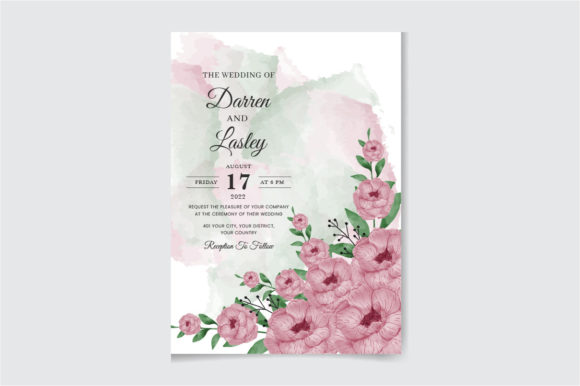
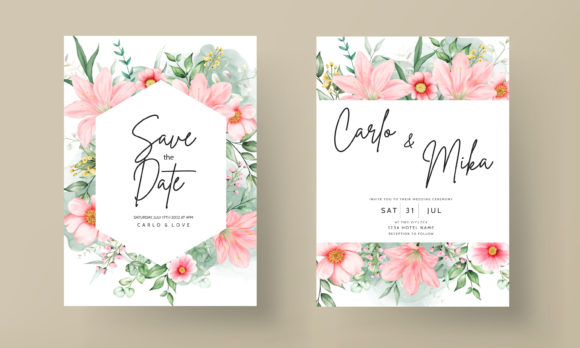
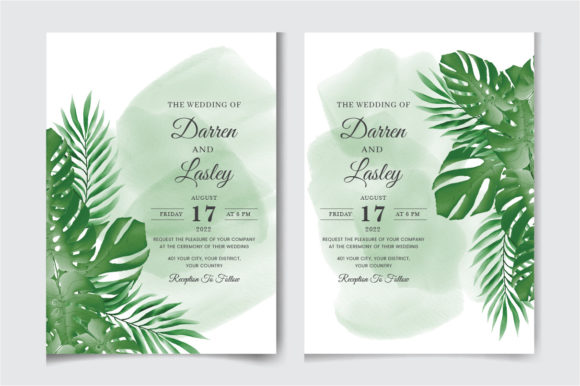
Upon opening the file package, the immediate impression is one of organic elegance. The watercolor technique used here avoids the muddy, oversaturated look common in lower-quality stock assets. Instead, the greens range from deep forest tones to soft sage, creating a visual personality that feels both rustic and premium. This specific aesthetic aligns perfectly with the enduring "botanical" trend that dominates the wedding and event sectors. For sellers targeting the boho-chic or garden-party niche, this illustration set offers a ready-made brand identity.
The mood is serene and sophisticated, making it highly attractive to buyers looking for handmade business quality without the time investment of painting their own elements. Whether you are a Canva template seller aiming for high-end bridal clients or a crafter creating physical goods, the visual hierarchy of these designs supports clean layouts. The artwork does not scream for attention; rather, it provides a calming backdrop that allows text and other design elements to shine, which is crucial for invitation-based products.
Versatility Across Product Lines
The true value of any design asset lies in its adaptability. In testing the Watercolor Greenery Invitation Card files, I explored several avenues for product creation beyond simple invitations. For those utilizing Cricut or Silhouette machines, the clarity of the lines suggests these could be excellent candidates for sticker design sheets or layered Cricut project files, provided the SVG paths are clean. I successfully mocked up these graphics as sublimation design options for tote bags and tumbler wraps, where the soft edges of the watercolor blend well with fabric textures.
For digital sellers, the potential extends to social media graphics and blog headers. The neutral green palette pairs exceptionally well with white space, making it ideal for Instagram story templates or Pinterest pins aimed at wedding planning audiences. I also considered bundling these into a design bundle that includes planner stickers and printable wall art for nurseries. The versatility allows a single purchase of the source files to generate multiple revenue streams, from t-shirt design concepts to mug design mockups. If you are selling Print Templates, these elements can be dragged and dropped into existing layouts to instantly elevate the perceived value.
Enhancing Product Presentation
In the crowded marketplace of online selling, thumbnail appeal is everything. Using the Watercolor Greenery Invitation Card elements in your product mockup images can significantly boost click-through rates. The natural textures add depth to flat lays, making digital products feel tangible. When I applied these graphics to a mock Etsy product listing, the resulting images conveyed a sense of trust and professionalism. Customers often equate high-quality visuals with high-quality files, and this asset delivers on that front.
Furthermore, these designs support strong visual storytelling. By consistently using this greenery motif across a seasonal collection, you create brand consistency that encourages repeat purchases. Whether it is a packaging design for a physical shipment or a digital cover for a PDF guide, the cohesive look helps establish small business branding. The asset works particularly well in large product previews where the details of the watercolor strokes can be appreciated, rather than being lost in a tiny icon.
Strategic Limitations and Risks
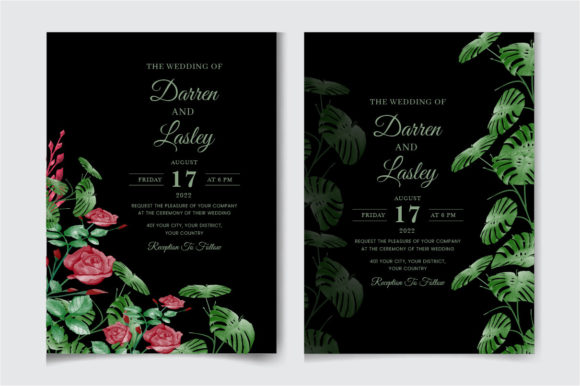
However, a realistic review must address where this asset might fall short. While beautiful, watercolor textures can sometimes lack the sharp contrast needed for very small applications. If you are designing stickers with intricate cut lines or text-heavy templates, you must ensure the greenery does not compete with legibility. I found that on dark backgrounds, some of the lighter sage tones disappeared, so this asset is best reserved for light or white backgrounds unless heavily edited.
Sellers should also be cautious about overusing the same clipart in crowded thumbnails. If every image in your shop looks identical, you risk visual fatigue. Additionally, for Cricut users, it is vital to inspect the SVG cut quality. Complex watercolor gradients do not always translate well to vinyl cutting without significant simplification. Always test print colors on your specific printer profile, as greens can shift dramatically between screen and paper, potentially altering the commercial design intent.
Practical Notes for Sellers
Before listing any product created with the Watercolor Greenery Invitation Card, I recommend a rigorous testing protocol. First, preview the design as a marketplace thumbnail at actual size to ensure it remains impactful. Second, test the files on both white and cream backgrounds to verify versatility. Third, if you are offering these as part of a Canva template, pair them with appropriate typography. Serif fonts add a touch of tradition, while modern sans serif fonts keep the look fresh; avoid overly decorative script fonts that might clash with the organic lines of the leaves.
Finally, always confirm the commercial license terms. Understanding whether you can sell the files as-is or only as part of a flattened design is critical for avoiding copyright strikes on platforms like Etsy or Shopify. Organize your final deliverables clearly, ensuring customers receive high-resolution PNGs for printing and scalable SVGs for cutting. By treating this graphic design asset as a component of a larger strategy rather than a standalone miracle, you can build a professional, profitable, and visually stunning product collection that resonates with creative entrepreneurs and end-users alike.