Watercolor Texture Sublimation 5104 Review: Premium Textures
As a digital publisher who has spent years curating the visual identity of multiple content platforms, I approach every new graphic design asset with a critical eye. It is not enough for an image to be pretty; it must perform. It needs to stop the scroll, establish trust, and seamlessly integrate into a complex editorial design workflow. Today, I am reviewing Watercolor Texture Sublimation 5104, a resource that promises to bring organic depth to digital layouts. After testing it across various real-world publishing scenarios, from newsletter headers to affiliate blog graphics, here is my honest assessment of its utility for creators and small business owners.
First Impressions: Setting the Editorial Mood
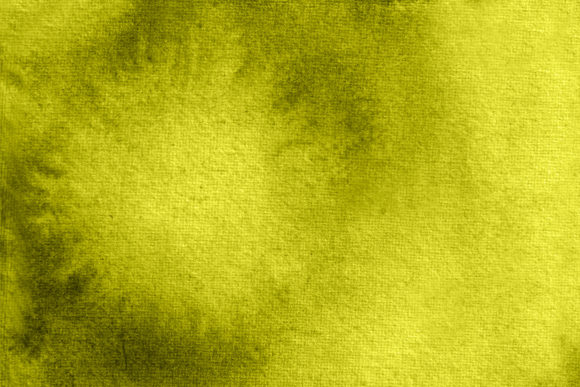
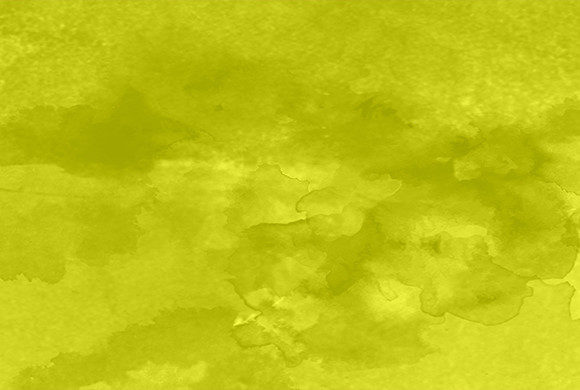
Upon opening the files for Watercolor Texture Sublimation 5104, the immediate sensation is one of refined softness. Unlike harsh digital gradients or flat vector backgrounds, this asset carries the unpredictable, fluid nature of traditional watercolor. It creates an editorial mood that is simultaneously artistic and approachable. For bloggers and content creators, this specific aesthetic signals a "lifestyle" or "creative entrepreneur" vibe without feeling overly childish or messy.
The texture strikes a balance between professional polish and human touch. In an era where audiences crave authenticity, using Textures that mimic hand-painted media can significantly boost reader trust. It suggests that there is a human behind the brand, which is crucial for small business branding. Whether you are in the wellness niche, education sector, or running a personal development blog, this asset naturally supports content that needs to feel warm, inviting, and thoughtful.
Integrating Into Real Publishing Workflows
The true test of any digital download is its versatility within a daily workflow. I tested Watercolor Texture Sublimation 5104 across several key touchpoints in my content strategy:
- Blog Featured Images: When used as a background for article thumbnails, the texture provides just enough visual interest to make the post stand out in a grid layout without overpowering the headline text.
- Pinterest Graphics: Pinterest is a visual search engine where visual hierarchy is king. This asset works exceptionally well here, offering a textured canvas that makes bold typography pop, leading to higher click-through rates.
- Newsletter Banners: Email clients often strip away complex styling, but a baked-in texture image remains consistent. Using this for header images adds a premium feel to weekly digests.
- Digital Products: For those selling digital guides, worksheets, or eBook covers, this sublimation pattern adds perceived value. It transforms a standard PDF cover into something that feels like a tangible, high-quality product.
- Social Media Graphics: It serves as an excellent base for Instagram stories or LinkedIn carousels, breaking up the monotony of solid colors.
Enhancing Brand Identity and Visual Performance
Consistency is the cornerstone of strong brand identity. By adopting Watercolor Texture Sublimation 5104 as a recurring element, publishers can create a recognizable visual signature. When a reader sees this specific wash of color and texture, they should immediately associate it with your content. This recognition factor is vital for content marketing success.
Furthermore, the asset aids in establishing a clearer visual hierarchy. Because the texture has natural variations in opacity and density, it allows designers to place text over lighter areas for maximum readability while using darker, more saturated areas to frame images or draw the eye to call-to-action buttons. This subtle guidance improves the user experience on website header sections and landing pages, potentially increasing conversion rates for affiliate marketing offers.
Ideal Use Cases vs. Areas for Caution
While versatile, this asset is not a one-size-fits-all solution. It shines brightest in specific contexts:
- Hero Images: Perfect for the top of homepages or sales pages where emotional connection is the goal.
- Category Thumbnails: Great for organizing blog archives into visually distinct sections.
- Lead Magnets: Ideal for covering checklists and printable designs where a soft aesthetic encourages downloads.
However, caution is required in other areas. If you are operating in a highly corporate, financial, or technical niche, the organic nature of watercolor might feel too casual. Additionally, avoid using it on text-heavy blog images where the contrast might suffer. On small mobile thumbnails, ensure the texture does not become muddy or indistinct. It is also less suitable for modern design systems that rely on strict minimalism and sharp geometric lines.
Practical Notes for Publishers and Designers
Before integrating Watercolor Texture Sublimation 5104 into your live site or client projects, consider these practical steps to ensure optimal performance:
- Device Testing: Always preview the asset on both desktop and mobile screens. What looks airy on a monitor might look cluttered on a smartphone.
- Typography Pairing: Experiment with different font styles. This texture pairs beautifully with elegant serif fonts for a classic look, but also holds its own against bold sans-serif or handwritten script fonts for a playful twist.
- Contrast Checks: Ensure your headline text passes accessibility standards. You may need to add a semi-transparent overlay if the texture varies too much in brightness.
- File Optimization: High-resolution textures can slow down page load times. Compress images properly for web use without sacrificing the delicate details of the watercolor effect.
- Licensing Verification: As a commercial design element, always confirm the commercial license terms. Ensure you are cleared to use it on monetized websites, in paid courses, or on physical products intended for sale via creative marketplace platforms.
In conclusion, Watercolor Texture Sublimation 5104 is a robust tool for the modern publisher's toolkit. It bridges the gap between digital efficiency and artistic expression. When used strategically, it elevates blog graphics and social media graphics from generic to memorable, helping creators build a loyal audience through superior visual storytelling.