Watercolor Texture Sublimation 5123 Review
As someone who has spent the last decade turning digital files into tangible goods for my Etsy shop and local craft fairs, I approach every new graphic design asset with a critical eye. It is not enough for a file to look pretty on a screen; it must survive the heat press, the inkjet printer, and the scrutiny of a paying customer. Recently, I downloaded Watercolor Texture Sublimation 5123 to see if it could hold up in a real-world production environment. My goal was simple: integrate this asset into a seasonal collection of custom mugs, tote bags, and planner stickers without compromising quality or workflow efficiency.
First Impressions and Aesthetic Mood
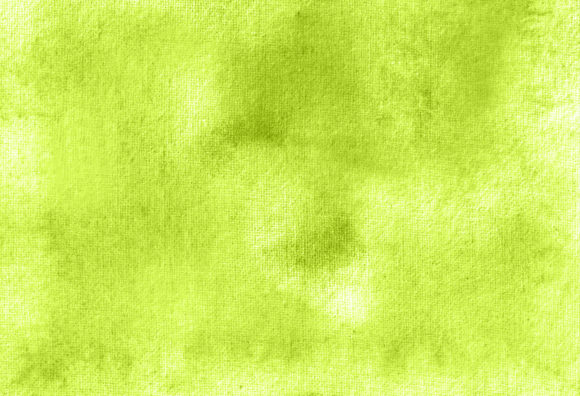
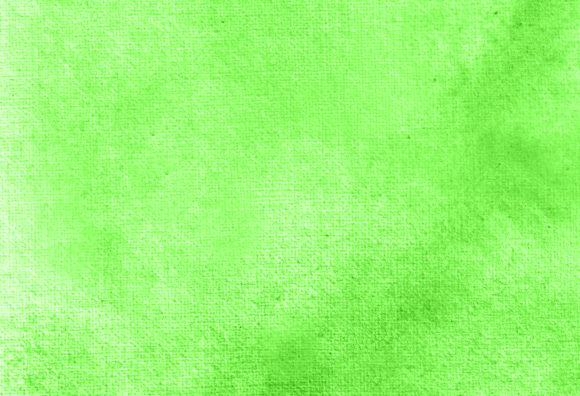
Upon opening the folder, the first thing that struck me about Watercolor Texture Sublimation 5123 was its organic, fluid nature. Unlike rigid geometric patterns or flat vector fills, these Textures possess a genuine hand-painted feel. The color transitions are soft yet vibrant, suggesting a mood that is both elegant and cozy. This specific aesthetic leans heavily into the "modern farmhouse" and "soft boho" styles that are currently dominating the handmade market.
If you are targeting buyers who appreciate artisanal quality over mass-produced perfection, this asset is a goldmine. It feels premium and decorative, making it an excellent choice for wedding favors, bridal shower gifts, or high-end home decor items. However, because watercolor relies on subtle gradients, I immediately noted that this would require careful handling during the sublimation process to ensure those delicate shifts in tone do not get lost or muddy on the final product.
Integrating into Real Crafting Workflows
The true test of any digital product is how easily it fits into a busy maker's schedule. I decided to use Watercolor Texture Sublimation 5123 for a batch of twenty-inch tumblers and a series of greeting cards. For the tumblers, the high-resolution PNG design included in the pack was essential. Sublimation demands 300 DPI or higher to prevent pixelation, and this file delivered crisp edges and smooth gradients. When wrapped around the curved surface of the tumbler, the watercolor effect created a stunning, seamless look that felt like a custom painting rather than a printed wrap.
For my paper goods line, I utilized the file to create backgrounds for printable wall art and planner pages. Here, the versatility of the Textures shone. By adjusting the opacity in my design software, I was able to layer the watercolor wash behind text and other clipart elements without overwhelming the composition. This makes it an ideal candidate for sticker design, particularly for large decorative stickers or journaling cards where the texture adds depth. If you are running a print-on-demand service or selling printable designs, this asset allows you to create unique backgrounds that distinguish your shop from competitors using standard solid colors.
Ideal Applications for Small Business Branding
Beyond individual products, Watercolor Texture Sublimation 5123 serves as a powerful tool for small business branding. I used variations of the texture to design thank-you cards and packaging inserts for my recent orders. The cohesive look helped tie my brand identity together, giving my unboxing experience a professional, curated feel. Whether you are creating a design bundle for a craft fair or updating your Etsy product listings with fresh mockups, this asset provides a consistent visual language.
It works exceptionally well for:
- Mug design and ceramic tile coasters where the white base enhances the watercolor vibrancy.
- T-shirt design on light-colored garments, provided the file is prepared correctly for heat transfer.
- Tote bags and canvas items where a rustic, artistic vibe is desired.
- Product mockup creation to showcase other designs in a lifestyle setting.
- Seasonal collections for spring and summer, where fresh, airy aesthetics are popular.
Technical Considerations and Limitations
While I am enthusiastic about the potential of this asset, honest craftsmanship requires acknowledging its limitations. Watercolor textures are inherently complex. If you intend to use this file for Cricut project cutting or Silhouette project weeding, you must proceed with caution. The organic, bleeding edges of watercolor do not translate well to vinyl cutting unless you simplify the shape significantly.
This asset should be used carefully in scenarios involving:
- Very small cutting details: Intricate watercolor splashes will be impossible to weed if converted to cut files.
- Thin lines: Delicate brushstrokes may break apart when cut from adhesive vinyl.
- Crowded compositions: Layering too many textured elements can result in a muddy, unreadable final print.
- Low-contrast colors: On dark substrates, the lighter parts of the watercolor may disappear unless a white underbase is used (which is difficult with sublimation).
- Small sticker sizes: Fine details get lost when scaled down below two inches.
For layered vinyl projects, I recommend tracing the main shape of the watercolor blob in your software and using the texture only as a print-then-cut element, rather than trying to cut the texture itself. This ensures clean, readable shapes for your customers while retaining the artistic flair of the design.
Practical Notes for the Experienced Maker
Before you list this as an Etsy product or fulfill a large customer order, there are several steps you must take to ensure quality control. First, always test the file on a scrap piece of your intended material. Sublimation colors can shift depending on the coating of the blank and the profile of your printer. Check how the Watercolor Texture Sublimation 5123 looks on both white and slightly off-white products, as the background color will influence the perceived warmth of the watercolor.
Additionally, verify that the SVG design lines are clean if you plan to manipulate the vectors. Preview the PNG transparency to ensure there are no unwanted white halos around the edges, which can ruin the illusion of a painted edge. When pairing this texture with typography, I found that script fonts and handwritten fonts complemented the organic feel best, while bold sans serif fonts provided a nice modern contrast. Avoid overly ornate display fonts that might compete with the texture for attention.
Finally, always confirm the commercial license terms before using any design assets for customer orders. Most creators on the creative marketplace allow for unlimited physical end-products, but restrictions may apply to reselling the digital file itself. By respecting these boundaries and testing your workflow, Watercolor Texture Sublimation 5123 can become a staple in your library, helping you create beautiful, sellable goods that resonate with your audience.