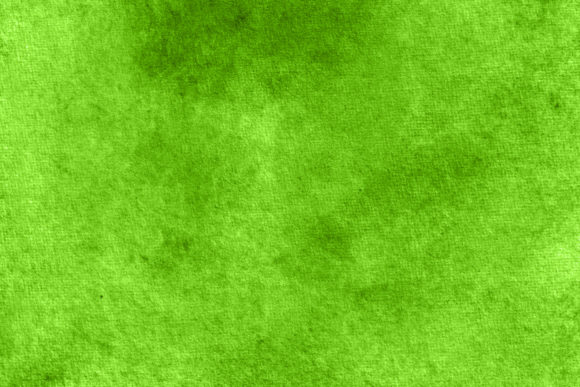
Watercolor Texture Sublimation 5254 Review
As someone who has spent years building a digital storefront on platforms like Etsy and Creative Fabrica, I approach every new graphic design asset with a critical eye. It is not just about whether an image looks pretty; it is about whether it can be transformed into a profitable digital product that solves a problem for my customers or enhances their own creative projects. Recently, I evaluated Watercolor Texture Sublimation 5254 to see if it fits into my upcoming seasonal collection. This review breaks down the practical application, commercial viability, and specific use cases for this file within a real-world selling scenario.
First Impressions and Market Fit
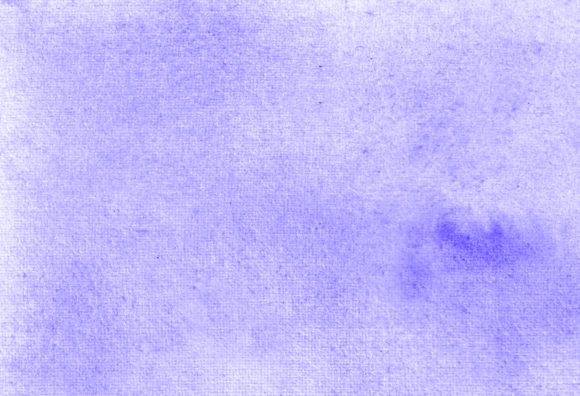
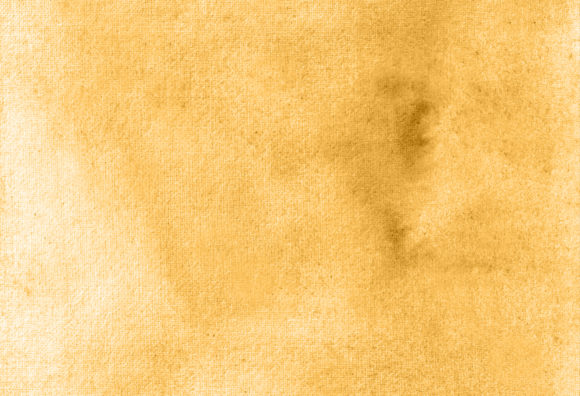
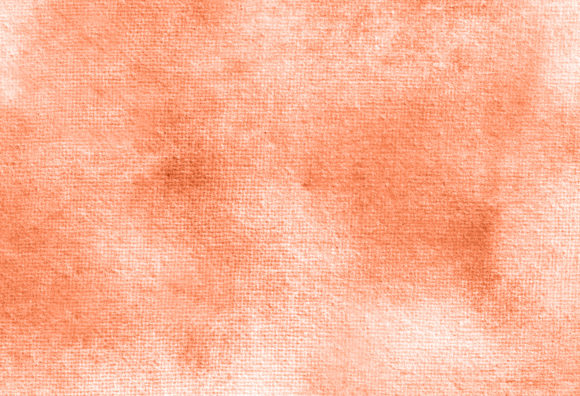
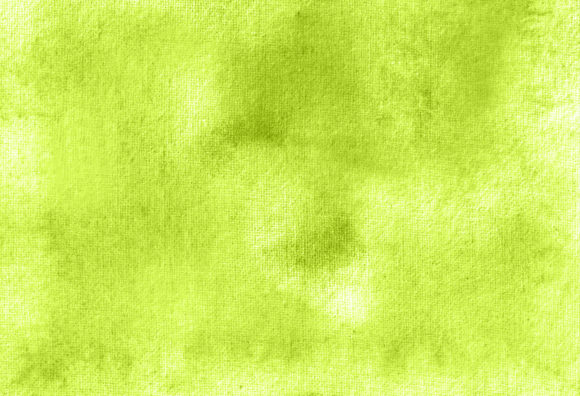
Upon opening the files for Watercolor Texture Sublimation 5254, the immediate impression is one of organic elegance. Unlike some digital papers that feel overly repetitive or synthetic, these Textures possess a genuine hand-painted quality. The color saturation appears balanced, suggesting they will translate well from screen to physical substrate. For sellers targeting the "boho chic," "nursery decor," or "wedding stationery" niches, this asset hits the mark. It feels premium rather than generic, which is crucial when trying to stand out in a crowded creative marketplace.
The visual personality here is soft yet distinct. It leans towards a feminine and artistic aesthetic without being childish. This makes it versatile enough for high-end printable design projects like wedding invitations while still being playful enough for children's room art. When considering small business branding, this type of asset helps establish a cohesive look that feels handmade and curated, appealing to buyers who value authenticity over mass-produced perfection.
Real-World Product Applications
The true test of any commercial design is its adaptability across different product types. I mentally mapped Watercolor Texture Sublimation 5254 against my current inventory strategy to identify where it could generate revenue.
- Sublimation Designs: This is the primary use case. The resolution and color depth make it ideal for full-wrap mug design projects or tumbler wraps where the texture needs to remain crisp without pixelation.
- Printable Wall Art: By layering typography over the background, this asset serves as an excellent base for printable design sets sold as instant downloads.
- Planner Stickers: For those selling digital planner accessories, these textures can be clipped into shapes to create unique sticker design elements that add depth to a flat layout.
- Canva Templates: Template creators can upload these as background elements, allowing end-users to build social media posts or presentation slides with a professional finish.
- Packaging Design: Small batch makers can use these patterns for box liners or tissue paper prints, elevating the unboxing experience for their physical goods.
Furthermore, for Cricut project enthusiasts, these files can be used as printed then cut materials, provided the contrast is sufficient for the machine's sensors. They also work beautifully as backing layers for clipart bundles, giving individual illustrations a unified theme when sold as a design bundle.
Enhancing Product Presentation
In the world of online selling, your listing images are everything. A strong visual hierarchy in your thumbnails can significantly improve click-through rates. Watercolor Texture Sublimation 5254 excels here because it provides immediate context. When used in a product mockup, it tells a story before the customer even reads the title.
I tested how this asset performs in thumbnail previews. Because the watercolor style implies softness and creativity, it attracts a specific demographic looking for artistic tools rather than corporate graphics. Using this texture in your main listing image signals quality. It suggests that the Etsy product or digital download inside is thoughtfully crafted. Consistency is key; if you use this texture across a series of listings, you build brand identity and customer trust. Buyers begin to recognize your shop's aesthetic, which encourages repeat purchases.
Strategic Placement and Limitations
While versatile, no asset is perfect for every situation. Understanding where Watercolor Texture Sublimation 5254 shines—and where it might struggle—is vital for maintaining a professional catalog.
Where it works best:
- Large Product Previews: The details of the watercolor brushstrokes are best appreciated on larger canvases like tote bags or wall art.
- Themed Bundles: It acts as a perfect glue for seasonal collections, tying together disparate elements like fonts and icons.
- Social Media Promos: The aesthetic is highly shareable on platforms like Pinterest and Instagram, driving traffic to your shop.
Where to use caution:
- Tiny Sticker Details: If the texture is too complex, it may lose definition when scaled down for small die-cut stickers.
- Text-Heavy Templates: Watercolor backgrounds can sometimes compete with text. Ensure there is enough negative space or use overlays to maintain readability.
- Dark Backgrounds: Depending on the specific colorway in the pack, some variations might not pop against dark garment colors in print-on-demand scenarios without a white underbase.
- Clean Cutting Lines: For SVG design purposes, remember that watercolor edges are inherently soft. This is great for aesthetics but bad if you need precise, hard-edge cut lines for vinyl decals.
Practical Seller Notes for Commercial Use
Before listing any item created with Watercolor Texture Sublimation 5254, I recommend a rigorous testing protocol. First, always test the design on real product mockups. What looks good on a white canvas might disappear on a navy blue t-shirt. Check how the colors render on both light and dark backgrounds to ensure versatility.
Verify the file formats included. If you are selling to Cricut users, ensure you have a high-quality PNG design with transparency. If you are offering layered files, check that the SVG design nodes are clean and not overly complicated, which can cause cutting errors. Resolution is non-negotiable; ensure the DPI is at least 300 for any printable products to avoid blurry prints.
Typography pairing is another critical factor. This watercolor style pairs exceptionally well with script fonts for a romantic look, serif fonts for a classic feel, or clean sans serif fonts for a modern contrast. Avoid overly decorative display fonts that might clash with the organic nature of the texture. Finally, always double-check the commercial license terms. Ensure you are allowed to sell finished goods and understand any restrictions on redistributing the raw files.
In conclusion, Watercolor Texture Sublimation 5254 is a robust addition to any digital seller's library. It bridges the gap between artistic expression and commercial utility. Whether you are creating social media graphics, packaging design, or a full line of sublimation design products, this asset offers the flexibility needed to scale a handmade business. By understanding its strengths and limitations, you can leverage these design assets to create a cohesive, high-value product line that resonates with your target audience.